Why Does My Senior Dog's Breath Smell So Bad?
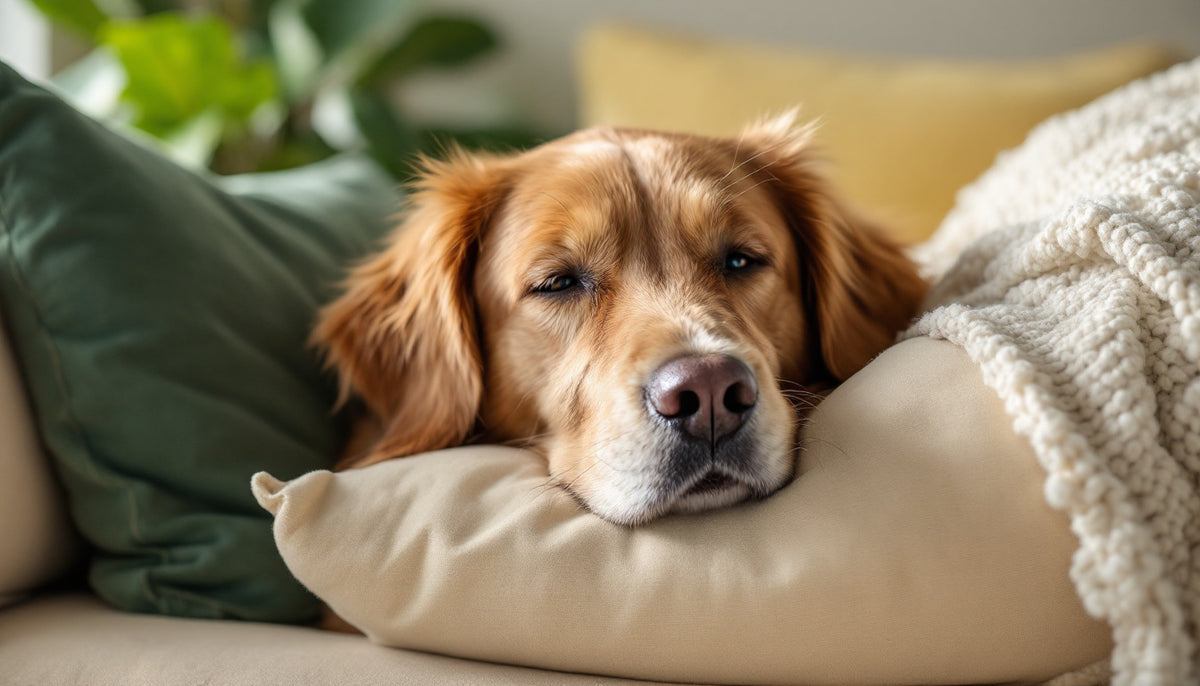
The short answer: the most common reason a senior dog's breath smells bad is plaque and tartar buildup that has progressed into gum (periodontal) disease. Veterinary groups estimate 80–90% of dogs show some sign of it by age three, and it only advances with the years. Daily plaque control at home, plus a dental exam to rule out anything deeper, is the fastest route to fresher breath — and if the smell is sweet and fruity or sharp like ammonia, call your vet, because those odors can point to problems beyond the mouth.
The usual suspect: plaque, tartar, and gum disease
Bad breath in older dogs almost always starts with plaque — a soft film of bacteria and food particles that coats the teeth within hours of eating. Left in place, plaque hardens into tartar. Tartar irritates the gums, the gums become inflamed, and over time the inflammation works below the gumline and becomes periodontal disease.
The smell itself comes from the bacteria involved. As they multiply and break down tissue, they release sulfur compounds — which is why the odor gets described as rotten eggs or garbage. That's worth taking seriously: it isn't "just doggy breath," it's a sign the bacteria are winning.
Because a senior dog has had many more years for this cycle to run, the smell tends to get stronger with age. The good news is that the driver — plaque — re-forms every single day, which means every single day is a fresh chance to interrupt it.
What different breath smells can mean
The type of odor is a rough clue to the source:
- Rotten or sulfur-like: most consistent with plaque, tartar, and gum disease — the mouth itself.
- Sweet or fruity: can point to a blood-sugar problem such as diabetes. Call your vet promptly.
- Ammonia or urine-like: can signal reduced kidney function, which becomes more common in older dogs. This also warrants a vet visit.
These aren't diagnoses — only your veterinarian can make those. But they're useful signals for how quickly to act. A rotten smell means it's time to get serious about dental care; a sweet or ammonia smell means pick up the phone.
Why senior dogs get bad breath more often
A few things stack the deck against older mouths. Years of accumulated tartar give bacteria more places to hide. Gums naturally recede with age, exposing more of each tooth. Many seniors chew less vigorously than they used to, so they lose some of the natural scrubbing that toys and chews provide. And plenty of older dogs with tender mouths simply won't tolerate a toothbrush anymore.
Some owners also delay professional cleanings for senior dogs out of concern about anesthesia — a conversation worth having with your vet rather than deciding by default. But it does mean home care between vet visits carries more of the load in the senior years, not less.
How can I freshen my senior dog's breath at home?
The goal is simple: disrupt plaque every day, before it hardens into tartar. Brushing is the gold standard, but if your dog fights it, a routine you'll actually keep beats a perfect one you'll abandon. Realistic options:
- A no-brush dental powder. Our dog teeth cleaning powder sprinkles over one meal a day and is designed to help reduce plaque and tartar buildup and support fresher breath — no wrestling, no pinned-down dog. It's made in the USA in an FDA-registered facility and third-party tested; you can read more about how we verify that on our trust center.
- Fresh water, refreshed often. A stale bowl grows its own bacteria. Rinse and refill at least daily.
- Daily chew time. Size-appropriate chews and textured toys give teeth gentle mechanical cleaning — pick softer options for seniors with worn or sensitive teeth.
- A weekly gum check. Once a week, lift the lip and look: red gumlines, brown tartar crust, or a bleeding spot are your early-warning system.
When bad breath means a vet visit
Book an appointment sooner rather than later if the bad breath comes with drooling, pawing at the mouth, dropping food, chewing on one side, bleeding or very red gums, loose teeth, weight loss, or a change in appetite or thirst. Any sweet, fruity, ammonia-like, or urine-like odor deserves a prompt call on its own.
And even without red flags, persistent bad breath in a senior dog is worth an exam. Once tartar has mineralized onto the teeth or disease is established under the gumline, no home product can remove it — that takes a professional cleaning. Home care is how you slow the cycle down and protect the result afterward, not a substitute for the vet.
A simple daily routine that sticks
Here's the low-effort version we suggest to customers: sprinkle the dental powder on breakfast, refresh the water bowl, offer a chew after dinner, and do the lip-lift gum check every Sunday. Two minutes a day, one minute a week. If you're building a broader routine for an aging dog, our senior essentials collection groups the daily-care basics in one place.
Most owners notice the breath itself improving within a few weeks of consistent daily care. The bigger win is quieter: less plaque today means less tartar next month and an easier report card at the next dental checkup.
Frequently asked questions
Is bad breath normal in older dogs?
It's common, but it isn't normal. Persistent bad breath usually means plaque, tartar, or gum disease, and it deserves both a daily home-care routine and a veterinary dental exam.
Can I fix my senior dog's bad breath without brushing?
You can make a real difference. A daily no-brush option like a sprinkle-on dental powder helps reduce plaque and tartar buildup and supports fresher breath. Established tartar or gum disease, however, still needs a professional cleaning.
What does it mean if my dog's breath smells sweet or fruity?
A sweet or fruity odor can be a sign of a blood-sugar problem such as diabetes. Call your veterinarian promptly — same day is reasonable.
What does it mean if my dog's breath smells like ammonia or urine?
An ammonia or urine-like smell can signal reduced kidney function, which is more common in senior dogs. Schedule a vet visit and mention the odor specifically.
How long does it take for dental powder to help a dog's breath?
It varies by dog, but with consistent once-daily use most owners look for fresher breath within a few weeks. Plaque control is cumulative — the routine matters more than any single day.
Do senior dogs still need professional dental cleanings?
Yes. Home care slows plaque between visits, but only a veterinary cleaning removes mineralized tartar and treats disease below the gumline. Ask your vet how often is right for your dog.
These statements have not been evaluated by the FDA. This product is not intended to diagnose, treat, cure, or prevent any disease. Always consult your veterinarian, especially if your pet has a health condition or takes medication.