Why Does My Older Cat's Litter Box Smell Worse Than It Used To?
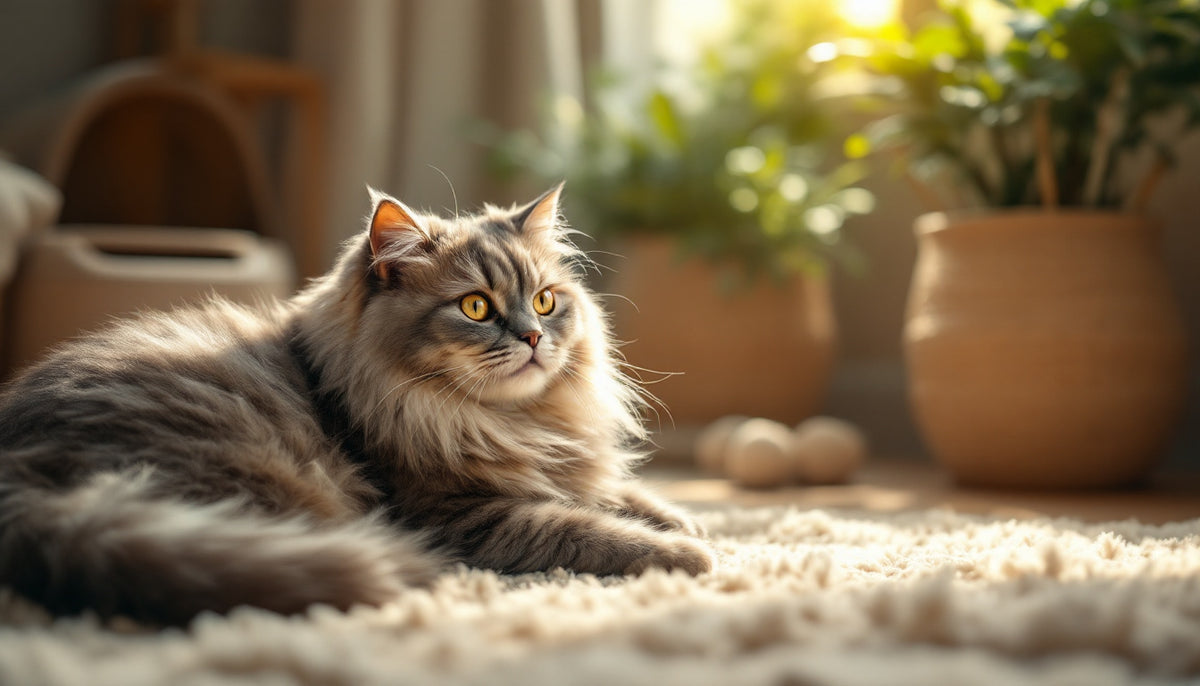
Quick answer: An older cat's litter box usually smells stronger because aging kidneys filter waste less efficiently, which makes urine more concentrated — and many senior cats also urinate more often, so the box collects more odor between scoops. A gradual change is common with age, but a sudden shift in smell, volume, or frequency deserves a call to your vet.
Is a smellier litter box normal as cats age?
Mostly, yes. If you've lived with your cat for ten or fifteen years, you know her smells the way you know her meow — so when the box starts announcing itself from across the room, you notice. We hear about this from senior-cat households all the time.
Two things change with age. First, the kidneys slowly lose filtering efficiency, so waste products like urea leave the body in more concentrated urine. Second, many older cats drink and urinate more often than they used to. More trips to the box, each one a little stronger, adds up faster than most scooping routines can keep pace with.
How aging kidneys change the smell
Urea is the main culprit. Once urine sits in litter, bacteria break urea down into ammonia — that sharp, eye-watering smell everyone recognizes. Concentrated urine carries more urea per visit, so the same routine that kept things fresh when your cat was five can quietly fall behind by the time she's twelve.
Dehydration plays a role too. Many seniors don't drink as much as they should, and less water in means stronger urine out. Wet food, extra water bowls around the house, or a pet fountain can all help dilute things naturally.
Other causes worth ruling out
Stronger odor isn't always simple aging. A few conditions common in older cats change urine smell or box habits:
- Chronic kidney disease. Estimated to affect roughly 30–40% of cats over age ten. Early signs are often increased thirst and urination; in later stages the urine can become scant, very concentrated, and strong-smelling.
- Urinary tract infections. Can give urine a sour or unusually foul smell, sometimes with straining or extra trips to the box.
- Diabetes. Increases urine volume, and some owners notice a sweet or simply "off" odor.
- Arthritis. A stiff cat may perch awkwardly on a high-sided box and miss, leaving urine on the outside of the box or the floor where it's easy to overlook.
- Digestive slowdown. Constipation and slower digestion are common in seniors and can make stool noticeably smellier.
When a smellier box means a vet visit
Our rule of thumb: gradual changes you can manage at home; sudden changes get a phone call. Book a visit if, within a week or two, you notice a much stronger or different smell, more or less urination than usual, clumps that are suddenly larger or smaller, noticeably increased drinking, or accidents outside the box.
The litter box is one of the most useful early-warning systems you have for an older cat. A simple urine and blood panel can catch kidney changes long before your cat looks sick — and we'd always rather you make one unnecessary call than miss an early sign.
A cleaning routine that keeps up with a senior cat
- Scoop twice a day. Removing urine promptly is the single biggest thing you can do, because ammonia forms as urine sits.
- Full change and wash every two to four weeks. Even scooped litter accumulates odor-producing bacteria over time. Empty the box, wash it with mild soap and warm water, dry it, and refill. Multi-cat homes usually need this more often.
- Keep one box per cat, plus one. More boxes spread out the odor load and give an arthritic cat a shorter walk.
- Switch to a low-sided box. Entry walls around 3–4 inches are kinder to stiff joints and prevent over-the-edge misses.
- Clean misses with an enzymatic cleaner. Enzymes break down odor compounds at the source; regular cleaners often just mask them.
- Give the box some airflow. A ventilated spot keeps ammonia from concentrating in one corner of your home.
Where an odor device fits in
Scooping removes the source; a good deodorizer handles what builds up between scoops. We built our Cat Litter Odor Deodorizer for exactly that gap. It sits near the box and uses ozone and negative ions to neutralize ammonia odor at the molecular level rather than covering it with fragrance — worth knowing, since many senior cats are extra sensitive to perfumes.
Because safety questions come first when a device lives next to the litter box, it includes a smart sensor that pauses ozone output whenever your cat is detected within about two meters, then resumes once she's wandered off. You can read more about how we test and stand behind what we make in our Trust Center.
One honest note: no device replaces the vet. If your older cat's box suddenly smells different, the deodorizer will keep your home comfortable while you find out why — but do find out why.
Frequently asked questions
Why does my older cat's urine smell so strong?
As cats age, their kidneys filter waste less efficiently, so urine leaves the body more concentrated and higher in urea — the compound bacteria turn into ammonia. A gradual change is common; a sudden one deserves a vet visit.
Can kidney disease make the litter box smell worse?
Yes. Chronic kidney disease is common in cats over ten and changes both the strength and the amount of urine. If stronger odor comes with increased thirst or urination, ask your vet about a kidney check.
How often should I clean a senior cat's litter box?
Scoop once or twice daily, and do a full litter change with a soap-and-water wash every two to four weeks. Multi-cat homes usually need full changes more often.
Is a litter deodorizer safe to use around an older cat?
Choose one designed with pets in mind. The Ladnut Cat Litter Odor Deodorizer includes a sensor that pauses ozone output when a cat is detected within about two meters, and it uses no added fragrance, which can bother sensitive senior cats.
Should I switch litters for my older cat?
A low-dust, unscented clumping litter in a low-sided box works well for many seniors. Make any switch gradually over a week or so, since older cats can be set in their ways.
Does baking soda fix litter box smell?
It can temporarily neutralize some odor compounds, but it doesn't remove the urine or bacteria producing ammonia. Frequent scooping, regular full changes, and good ventilation matter more.
The Ladnut Cat Deodorizer is an electronic device; its sensor pauses ozone output when a pet is detected within ~2 meters. Use as directed and keep out of reach of small children.