How to Clean a Dog's Teeth Without Brushing
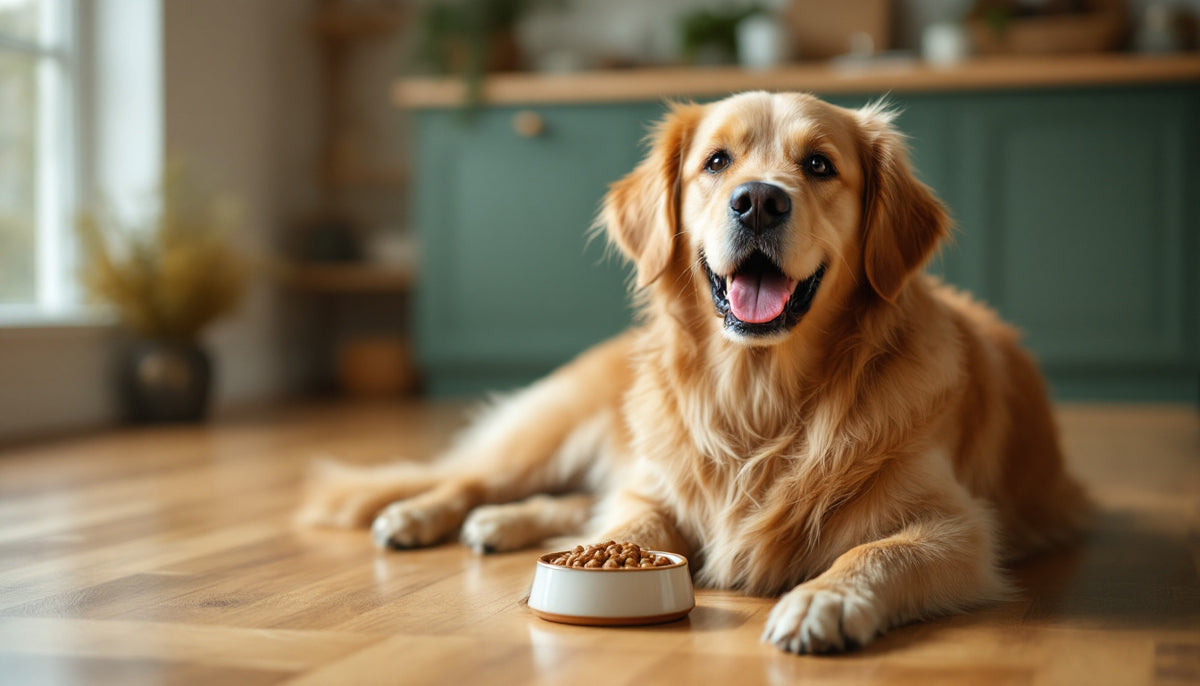
Short answer: Yes, you can keep your dog's teeth meaningfully cleaner without ever picking up a toothbrush. The most effective no-brush routine pairs a daily dental powder you sprinkle on food with a vet-approved dental chew, fresh water (sometimes with an additive), and regular professional checkups. The single biggest factor is consistency — a little something every day beats a big effort once a month.
We hear from a lot of senior-dog families who feel guilty about skipping the toothbrush. Here's the reassuring part: brushing is the gold standard, but it isn't the only thing that helps. Below is the plain-English version of what actually moves the needle, why it matters more as your dog ages, and how to build a routine that takes about a minute a day.
Can you really clean a dog's teeth without brushing?
You can support cleaner teeth without brushing, though it helps to be honest about what "clean" means. Daily habits like powders and chews are very good at slowing the soft, sticky plaque that forms every day. What they can't do is scrub off hardened tartar (calculus) once it has cemented onto the tooth — that takes a professional cleaning. So the goal of any at-home routine is prevention and maintenance: keep plaque from turning into tartar in the first place.
This matters because dental issues are extremely common. Most studies estimate that the majority of dogs over the age of three already show some degree of periodontal (gum) disease, and the earliest sign owners usually notice is breath that suddenly gets a lot worse. Daily care is simply easier than catch-up.
Why dental care matters more as your dog ages
Senior mouths have had years for plaque and tartar to accumulate, and older gums tend to be more sensitive. Staying on top of a gentle daily routine helps maintain fresher breath and supports healthy gums and teeth as your dog gets older. It's one of the kindest, lowest-effort things you can do for a senior dog's comfort.
If you're rethinking your dog's whole golden-years routine, dental care fits right alongside the other small daily habits we cover in our senior essentials collection — the things that quietly add up over time.
No-brush methods that actually work
1. A daily dental powder
This is the easiest no-brush option because it asks nothing of your dog — you simply sprinkle it over their normal food once a day. Some of the most-researched dental powders use a specific brown seaweed (Ascophyllum nodosum), which appears to work systemically through saliva to make tooth surfaces less hospitable to the bacteria that build plaque. The key with any powder is daily use; the benefit comes from the routine, not a one-off.
Our own no-brush dog teeth cleaning powder is built for exactly this — a once-a-day scoop on food to support plaque and tartar control and fresher breath, with no wrestling, no brush, and no special routine.
2. Vet-approved dental chews
Chewing creates mechanical scraping that helps wipe plaque off tooth surfaces. Look for chews carrying the Veterinary Oral Health Council (VOHC) Seal of Acceptance, which means the product was tested for real plaque or tartar control. Just as important, steer clear of very hard objects:
- Avoid antlers, real bones, cow hooves, and hard nylon chews — they're a common cause of painful, fractured teeth.
- Match the chew size to your dog so it can't be gulped or swallowed whole.
- For seniors with worn or missing teeth, choose softer textures and always supervise.
3. Water additives and dental diets
A dental water additive is a hands-off way to support oral hygiene between meals — you add it to the water bowl and your dog does the rest. Some therapeutic "dental diet" kibbles are also designed with a texture that helps scrape teeth as your dog eats. Neither replaces the rest of the routine, but they're easy layers to stack on.
4. Professional cleanings
Even the best home routine doesn't replace your veterinarian. A professional cleaning under anesthesia is the only way to remove tartar below the gumline and to check for problems you can't see at home. Think of daily care as the thing that keeps those visits further apart and easier.
How to build a simple daily routine
You don't need all of the above. A practical, sustainable routine for most senior dogs looks like this:
- Every day: sprinkle a dental powder on one meal.
- Most days: offer one VOHC-accepted dental chew (counted as part of their treats).
- Always: keep fresh water available, optionally with a dental additive.
- Weekly: lift the lip and glance at the gums and back teeth so you notice changes early.
- Yearly (or as advised): a veterinary dental exam, with cleaning when recommended.
What to look for in a no-brush dental powder
Not all powders are equal. We'd encourage you to read labels the way we do: look for honest, full-dose amounts rather than fairy dust, simple ingredient lists, and a company that's transparent about where and how the product is made. Ours is made in the USA in an FDA-registered facility and third-party tested, and you can read more about how we vet our ingredients in our Trust Center.
Frequently asked questions
Is brushing still better than not brushing?
Yes — daily brushing remains the most effective single method. But for dogs who won't tolerate it, a consistent no-brush routine is far better than doing nothing and is something most families can actually keep up.
How long until I see fresher breath?
Many owners notice improvement within a few weeks of consistent daily use, since powders and chews work on the plaque that forms day to day. Results vary by dog, and very heavy tartar may need a professional cleaning first.
Can a dental powder remove existing tartar?
No. Powders help reduce new plaque and support fresher breath, but hardened tartar has to be removed by your veterinarian during a professional cleaning.
Are dental chews safe for senior dogs?
Softer, appropriately sized VOHC-accepted chews can be, but skip hard antlers, bones, and hooves, which can fracture aging teeth. Supervise, and ask your vet if your dog has missing teeth or gum sensitivity.
How often should my dog get a professional cleaning?
It depends on the individual dog; many vets suggest a yearly dental exam and cleaning as recommended. A good daily routine at home can help stretch the time between cleanings.
My dog already has bad breath — what should I do?
Persistent bad breath can be an early sign of gum disease, so it's worth a vet check. From there, a daily no-brush routine helps you stay ahead of it going forward.
These statements have not been evaluated by the FDA. This product is not intended to diagnose, treat, cure, or prevent any disease. Always consult your veterinarian, especially if your pet has a health condition or takes medication.