5 Signs Your Dog Is Entering Their Golden Years
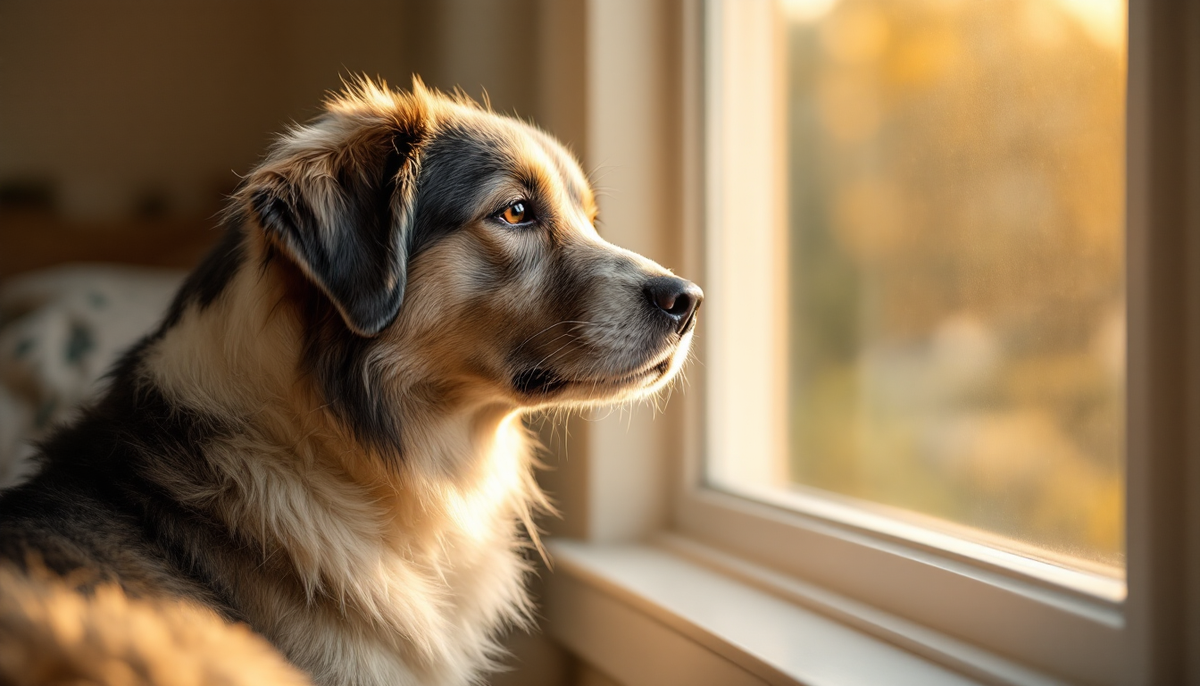
One day your puppy is tearing across the yard; the next, you notice a little gray around their muzzle and a slower start to the morning. Aging happens gently, and knowing the signs helps you give your dog exactly the care they need.
1. A graying muzzle and coat. Just like us, dogs go silver with age — usually starting around the mouth and eyes. It's purely cosmetic, but it's often the first reminder that your best friend is growing older.
2. Slower mornings and longer naps. Senior dogs tend to sleep more and take a beat longer to get going. A little extra rest is normal; a sudden, dramatic change is worth a chat with your vet.
3. Less enthusiasm for stairs and jumps. Hesitating before the couch or taking stairs one at a time can be a normal part of aging. Soft bedding and a ramp can make daily life easier.
4. Changes in appetite or weight. Older dogs often need fewer calories but high-quality nutrition. Keep an eye on gradual changes and mention anything notable to your vet.
5. A little more "where am I?" Some senior dogs get mildly disoriented or sleep more deeply. Keeping routines predictable helps them feel secure.
None of these signs are cause for alarm on their own — they're simply your cue to adjust. Comfortable bedding, gentle exercise, a senior-appropriate diet, and a consistent daily wellness routine all help your dog enjoy their golden years.
Every dog ages differently. Always talk to your veterinarian about your dog's specific needs.